The hybrid creative agency.
Why the future of design is human-directed, AI-Accelerated.

Brands are under pressure to produce more content than ever before – more platforms, more formats, at greater speed. Yet expectations for originality, cultural relevance, and craft have never been higher.
The old production model cannot keep up, and neither can clients’ budgets.
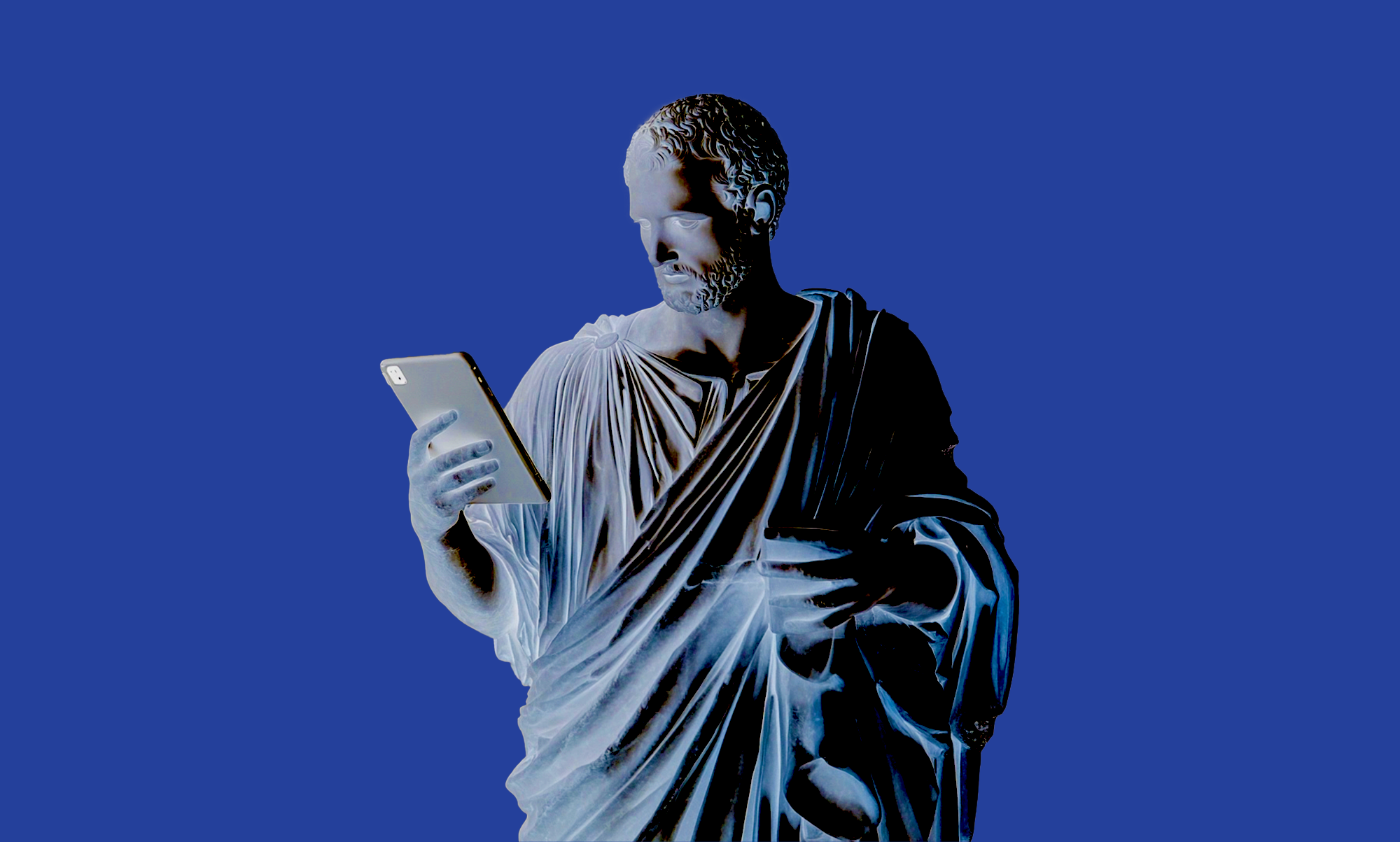
However, a fully automated creativity isn’t the answer either. The future belongs to hybrid agencies. These are studios that integrate generative tools into traditional creative frameworks while keeping human art direction at the centre of the process.
Speed without strategic compromise
Generative platforms such as ChatGPT, Midjourney, Adobe Firefly, and Higgsfield have dramatically changed what is possible in early-stage ideation and asset production.
The differentiator is not access to tools; it is how those tools are structured within a disciplined creative system.
Generative tools produce ideas, images, and motion at scale. Without strong direction, that scale becomes noise. Hybrid agencies operate differently:
- Human-led strategy defines the vision.
Brand positioning, tone of voice, visual territory, and narrative ambition are set before any prompts are written. - AI accelerates exploration.
Tools are used to expand creative territory rapidly. This does not replace thinking, but widens the possibilities. - Art directors curate, refine, and elevate.
The raw output is never the final output. Designers shape, edit, and recompose to ensure the brand integrity remains intact.
In this model, AI is not the creator. It is the amplifier.
“Deep embrace this, and don’t fear it! We can cut through the noise and keep clarity of thinking which is crucial for brands.”
Stu Lamont, Design Director
One of the most misunderstood aspects of generative integration is the assumption that it reduces the role of designers.
In reality, it redistributes their time and gives more time to crucial creative thinking focussing on visual systems and storytelling that resonates with audiences.
“The future of creative work is not automated. It is augmented. And agencies such as ours that master this way of working will move faster and think bigger.”
Charlie Eiles, Co-owner
The agencies that will define the next decade are those that prioritise brand systems over output volume and use AI to enhance strategic depth, not bypass it.